
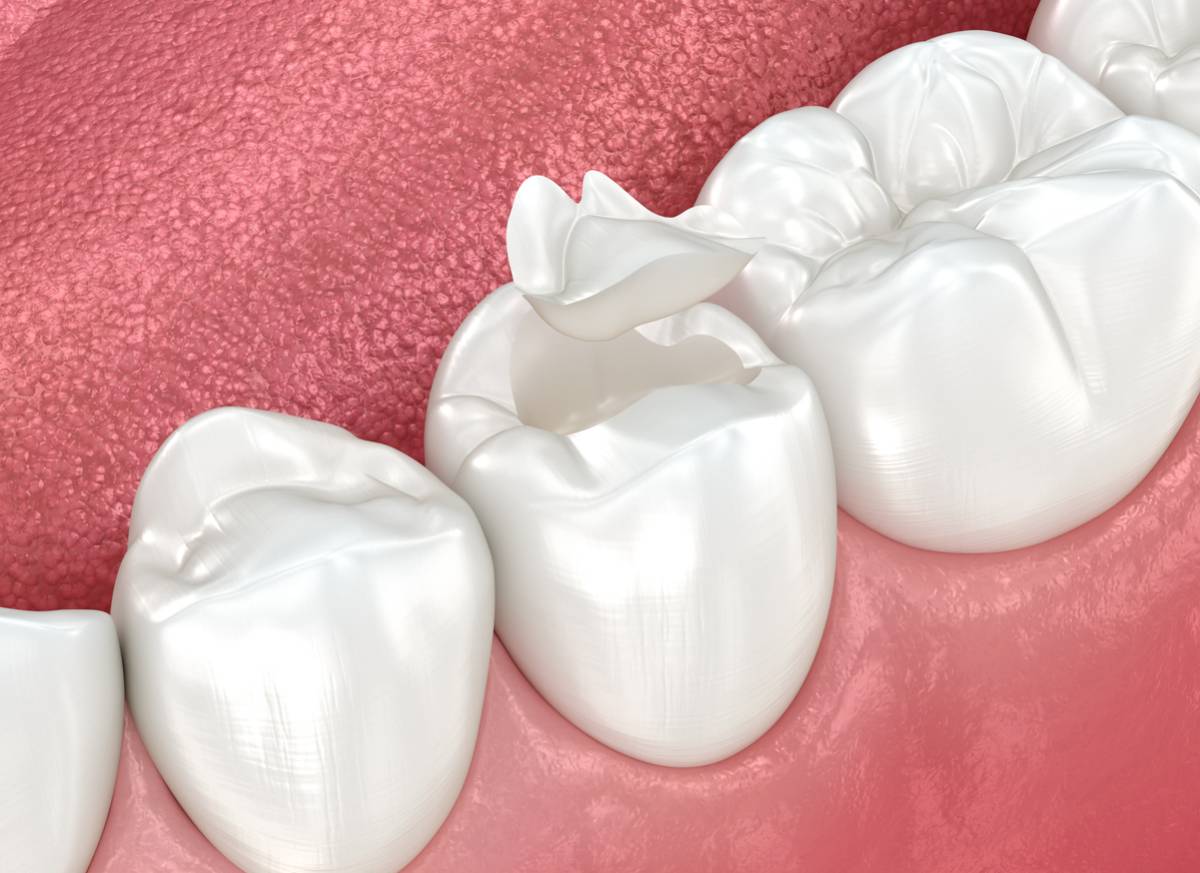
Dental sealants might not be the most well-known dental treatment. Still, they can play a central role in your child’s early oral health. Like most treatments, the results are not designed to last forever. So how often should you replace dental sealants? And what are some signs to do so?
How Often Should You Replace Dental Sealants?
Dental sealants will usually last for between 5 and 10 years. Someone within this time period, parents should have their sealants replaced.
If a worn sealant is not replaced, it could increase the risk of certain oral health issues. Most notably, cavities can begin forming under the sealant. Thus, any worn or damaged sealants should be replaced.
Keep in mind, children usually are the most common patient group to get dental sealants. If the sealants are on their baby teeth, they may not need replacing. The treated tooth will fall out on its own eventually.
What Affects a Dental Sealant’s Lifespan?
While dental sealants can last for years, certain factors can cut short their lifespan. If you have had sealants, keep the following in mind.
Oral Hygiene
The biggest factor will be your brushing and flossing habits. Preventing plaque buildup will reduce the wear on your sealants.
The ideal routine is to brush twice daily and floss at least once a day. Use a fluoride toothpaste and a toothbrush that does not irritate your gums.
Diet
High-sugar diets spell doom for your oral health in many ways. The bacteria in your mouth love sugar. So, a diet high in it gives them plenty to work with.
Additionally, acidic foods can accelerate sealant breakdown. Common examples include fruit juices or meals with lots of processed foods.
Chewing Habits
Chewing on ice or your fingernails can also wear down sealants. In general, these habits can gradually put you at risk for a range of issues.
Likewise, teeth grinding (bruxism) can shorten the lifespan of sealants. This condition has a range of causes. But working with a dentist can help you find a solution that protects your oral health.
Type of Sealant
The type and quality of your sealant’s material will influence its lifespan. Every sealant at Ceres Dental is made from premium materials designed to last.
Additionally, if your dentist did not place the sealant well, it could cause issues. Ensure that you only ever work with experienced dental teams that take the time to properly perform even routine treatments. Oral health should never be rushed.
Location
Not all teeth do the same amount of work when chewing. Chewing pressure tends to be greatest on the molars. In comparison, your front teeth experience less strain (unless you are biting your nails). So sealants on molars can wear down more quickly.
Your molars are easy to overlook, though. So keep an eye on any molars treated with sealants. Otherwise, they might wear down without your notice.
Signs You Should Replace a Sealant
Ideally, your dentist will track the state of your sealants at your routine checkups. However, if you have not been to a dentist lately, keep an eye out for a few signs. You may need to replace a sealant if:
- You notice food getting trapped in the grooves of a tooth/sealant
- You start developing cavities under or around the sealant
- The sealant comes off from the tooth completely
- You experience increased sensitivity to food temperatures in your teeth
Treatment for All Ages
Ceres Dental provides lifelong care for patients in. Visit our dentist today to put yourself in control of your oral health with a caring team.